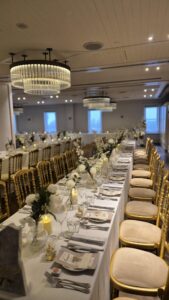
Organised workplace events are more than just social gatherings — they play a significant role in improving team morale, engagement, and productivity. Whether it’s team-building days, milestone celebrations, or casual catch-ups, these shared experiences create connection and foster a positive work culture. If you feel your workplace could benefit from more events, it’s important to approach the conversation strategically to gain support from management.
The first step is to gather evidence and data. Reflect on past events and highlight tangible outcomes: did a recent team lunch boost collaboration? Did a training workshop result in improved communication or workflow? Concrete examples demonstrate the value of events beyond mere socialisation, showing that these activities can have measurable impact on business outcomes.
Next, position your proposal around strategic business benefits. Events aren’t just “fun extras” — they’re an investment in your team. Benefits include increased staff retention, enhanced team cohesion, improved communication, and stronger company culture. Presenting events in terms of measurable outcomes, such as engagement scores or productivity metrics, helps your boss see their value from a business perspective rather than as a discretionary expense.
To make your proposal practical and actionable, consider these strategies:
- Create a mini event calendar – Outline suggested frequency and types of events, including seasonal celebrations, team-building days, or casual lunches.
- Estimate costs and resources – Provide realistic budgets, including venue, catering, and activity costs, to reduce hesitation.
- Include employee feedback – Share survey results or informal feedback from staff to demonstrate interest and demand.
- Highlight potential ROI – Show how events can contribute to staff engagement, reduce turnover, and strengthen workplace relationships.
- Offer to help plan or coordinate – Demonstrate initiative by volunteering to manage logistics or support a planning committee, making it easier for your boss to approve.
It can also be helpful to frame events as scalable and flexible. Not every event needs to be elaborate or costly — small, thoughtful gatherings can be just as impactful as larger corporate functions. Suggesting a mix of low-cost, high-impact ideas alongside bigger events shows that you’ve considered budget and practicality.
Finally, emphasise the long-term benefits. Consistent, well-planned events foster a culture of appreciation, recognition, and connection. They can help your company stand out as an employer of choice, boost morale during busy periods, and even encourage creativity and collaboration across teams.
By approaching your boss with clear evidence, a structured plan, and measurable outcomes, you increase the likelihood of gaining approval for more workplace events. At Events With Amie, we help organisations plan and pitch events that align with their business objectives, ensuring every gathering has impact, purpose, and leaves employees feeling engaged and valued. After all, when your team thrives, your business thrives too.